



 4.7
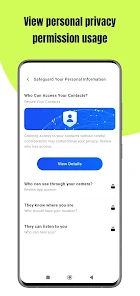
4.7 As someone who values privacy, I find myself frequently using Permission Guard in various scenarios throughout my daily life. One specific instance comes to mind when I downloaded a new fitness app that requested access to my location and health data. Before using the app, I opened Permission Guard to review its permission requests. I was shocked to see that it wanted access to my contacts as well! Thanks to Permission Guard, I was able to deny that request and only provide the necessary permissions required for my workouts. This gives me peace of mind, knowing that I am in control of my data.
Additionally, as a freelancer, I often juggle multiple apps for communication, project management, and data storage. I regularly check Permission Guard to ensure that only the necessary apps have access to sensitive information like my camera and microphone. This way, I can maintain a high level of security while remaining productive.
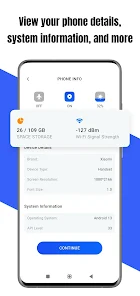
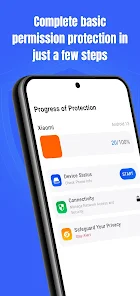
Using Permission Guard has been a pleasant experience. The user interface is clean and easy to navigate, which is essential for someone like me who isn’t overly tech-savvy. When I first launched the app, I was greeted with a simple dashboard that clearly displayed the permissions for each app installed on my device. The workflow is seamless: with just a few taps, I can grant or revoke permissions without digging through complex settings menus.
Performance-wise, the app runs smoothly and efficiently. I have not encountered any lag or crashes, which is a significant plus. One of my favorite features is the real-time notifications that alert me whenever an app requests a new permission. This proactive approach makes me feel secure and in control of my data, which is particularly important in today’s digital age.
Permission Guard offers a variety of pricing plans, including a free version with basic features and a premium subscription that unlocks advanced functionalities. The premium version is reasonably priced, especially considering the invaluable peace of mind it brings in managing my app permissions. I opted for the premium plan after trying the free version, as I found the additional features worth the investment.
The developers of Permission Guard seem committed to continuous improvement, as I’ve noticed regular updates that enhance the app’s functionality. Each update has introduced new features or bug fixes that improve user experience. Additionally, their customer support is impressive. I reached out with a question regarding a specific feature, and they responded promptly with helpful information. Overall, I feel supported and valued as a user.
As an American user, security and privacy are paramount. Permission Guard is available on both the App Store and Google Play, ensuring easy access for users. Upon downloading, I appreciated that the registration process was straightforward and didn’t require excessive personal data, which can sometimes be a deterrent with other apps. This transparency gave me confidence in using the app.
Moreover, I was relieved to find that Permission Guard does not bombard users with ads or engage in intrusive tracking behaviors. I have encountered many apps that exploit user data for advertising purposes, but Permission Guard prioritizes user privacy, allowing me to use the app without feeling like my information is being sold. Overall, I feel reassured using Permission Guard, knowing it respects my privacy while helping me manage my app permissions effectively.

 Unlock complete privacy control Easily manage app permissions Receive real-time alerts Optimize device performance User-friendly interface design
 Limited customization options Can be intrusive for users May slow down device performance Frequent updates required
  Google Play
  App Store
 Yes, users can easily restore permissions after revoking them using Permission Guard. The app allows users to re-enable permissions at any time, giving them flexibility in managing app access based on their current needs and preferences.
Permission Guard is primarily designed for Android devices, as permission management is a critical aspect of the Android operating system. Users should check the app's compatibility with their specific device and operating system version to ensure optimal functionality.
By allowing users to revoke unnecessary permissions, Permission Guard can contribute to improved device performance. Apps that have fewer permissions may consume less battery and run more efficiently, leading to a smoother overall experience. Additionally, reducing background activity from apps can free up system resources.
Yes, Permission Guard requires certain permissions to access and manage the permissions of other apps on your device. These permissions are necessary for the app to function properly and provide users with accurate information about what each app can access. The app will typically explain why these permissions are needed during the installation process.
Yes, Permission Guard supports batch permission management, allowing users to modify permissions for multiple apps at once. This feature can save time and streamline the process of managing app permissions, making it easier for users to maintain control over their privacy settings.
You can reach Customer Service through the app's support section or visit our website for contact details.
To activate, download the app, create an account, and follow the on-screen instructions for activation.
Open the app, enter your registered email and password, then click on the 'Log In' button.
Your Customer Number can be found in your account settings within the app.















 Home
Home  Apps
Apps  Games
Games  Disclaimer
  Privacy & Policy
  Terms of Service